
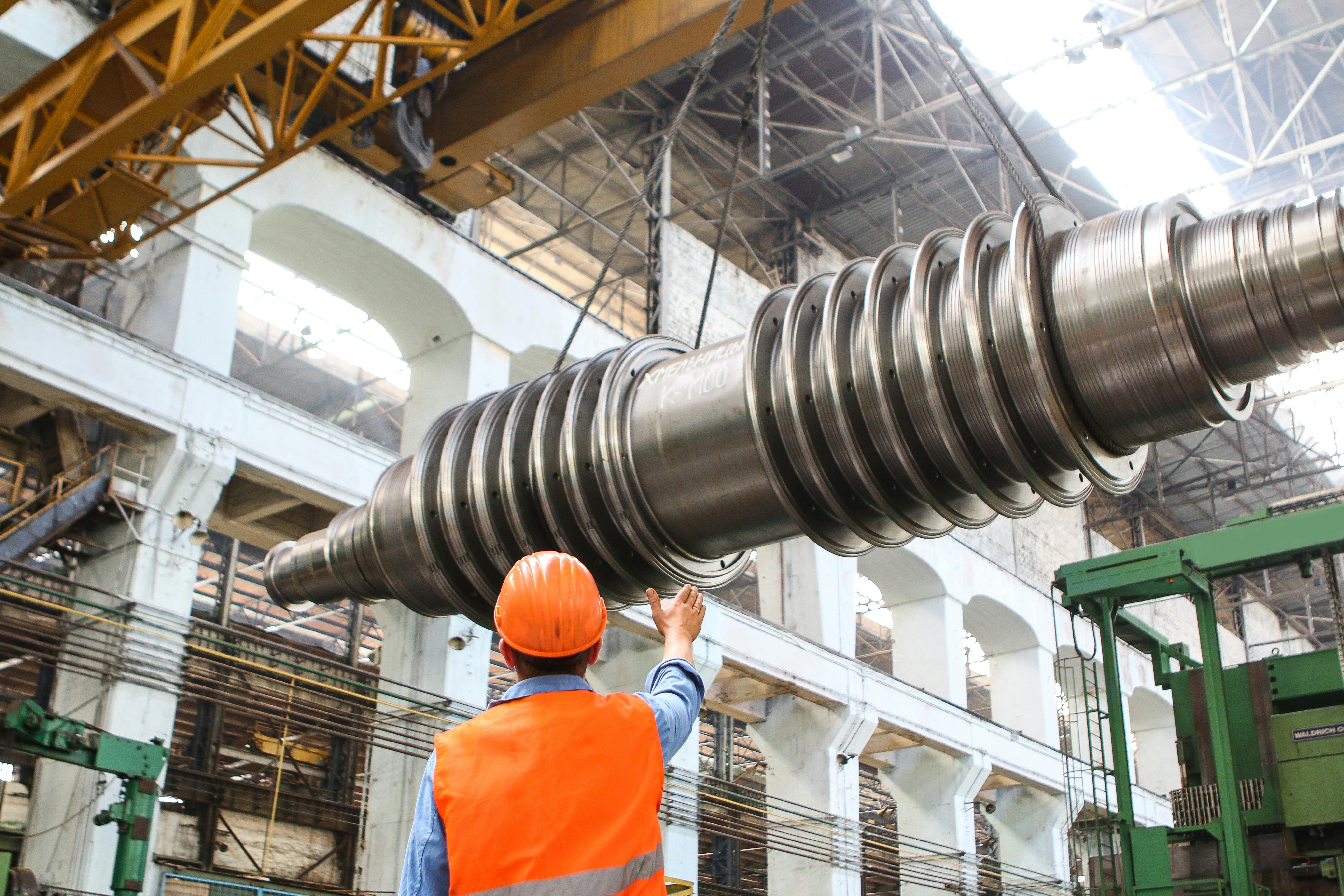
Steel blanks are essential for many manufacturing processes. They’re used to create everything from cars to appliances. Here’s a look at how they’re made and what they’re used for.
What are steel blanks?
Steel blanks are large, flat pieces of steel that are used in a variety of applications. One of the most common uses for steel blanks is in the automotive industry, where they are cut and formed into car body panels.
Steel blanks can also be used to create appliance parts, construction materials, and a range of other products. The manufacturing process for steel blanks begins with a large piece of steel that is cut into the desired shape and size. The steel is then heated to high temperatures and passed through a series of rollers that help to create its final form.
As a result of this process, steel blanks are strong and durable, making them ideal for use in a wide variety of applications.
How are steel blanks made?
The process of making steel blanks begins with a large block of metal known as a billet. Billets are made from iron ore that has been smelted in a blast furnace. The molten metal is then poured into a mold, where it cools and solidifies.
Once the billet has cooled, it is placed on a large cutting table. A hydraulic press then cuts the billet into smaller pieces, called slabs. These slabs are then heated in a furnace and passed through a series of rollers.
The rollers gradually reduce the thickness of the slab, until it forms a large sheet of metal known as a coil. The coil is then cut into smaller pieces, which are finally formed into steel blanks.
Throughout the process, various quality control measures are taken to ensure that the finished product meets the required specifications.
What are steel blanks used for?
Steel blanks are pieces of steel that have been cut to a specific size and shape. They are used as raw materials in a variety of industries, including automotive manufacturing, appliance making, and construction. Steel blanks can be cut from sheets of steel using a variety of methods, including waterjet cutting, laser cutting, and plasma cutting.
Once they have been cut to the desired size and shape, they are usually sent to a steel fabricator where they will be formed into their final product. Steel blanks are an essential part of the steel industry, and their uses are virtually limitless.
Why are steel blanks important?
Steel blanks are a critical component in the manufacturing process of many products. In many cases, steel blanks are used to create products with a high degree of precision and detail. For example, in the automotive industry, steel blanks are often used to create engine parts and body panels.
The blanks are cut to size and then formed into the desired shape using a die. This process allows for a high degree of accuracy, which is essential for creating parts that fit together correctly.
In addition, steel blanks can be heat-treated to alter their properties, such as hardness and ductility. This makes them an ideal material for a wide range of applications. As a result, steel blanks play a vital role in the manufacturing process of many products.
How can you use steel blanks in your business?
Steel blanks are an essential part of the manufacturing process for a wide range of products. From cutlery and automotive parts to hardware and appliances, steel blanks can be cut, shaped, and welded into almost any form. They are also incredibly versatile, able to be worked with a variety of different metals.
As a result, steel blanks are an essential component of any business that relies on metal fabrication. In addition to their versatility, steel blanks are also highly durable, making them ideal for products that require a long lifespan. For businesses that need to create high-quality metal parts and products, steel blanks are the perfect solution.

